 Reviews


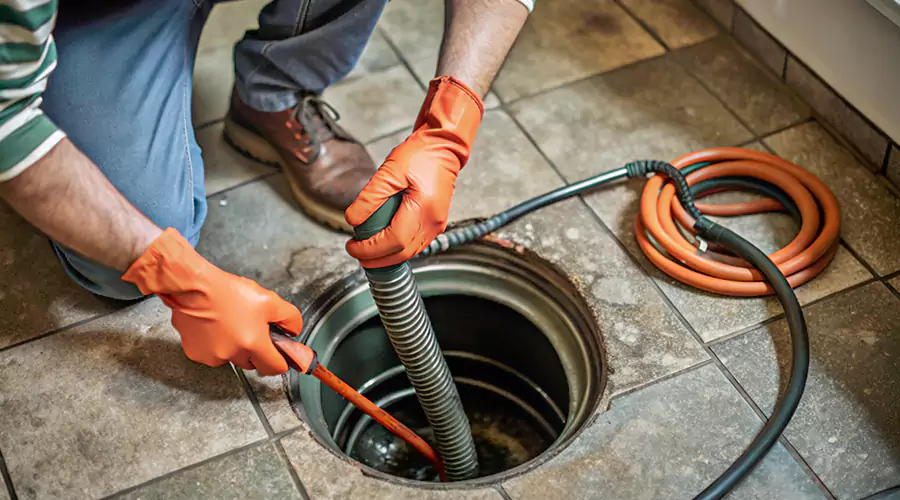
A household plumbing system can be severely disrupted when a blocked main sewer line develops. Water and waste are prevented from flowing normally, and common household functions are affected. Slow drains are often noticed first, and unusual gurgling sounds are frequently heard from toilets and sinks. These early signs are often ignored until larger problems emerge.
When a blocked sewer line is present, wastewater is often forced back into sinks, bathtubs, and toilets. Foul odors are sometimes experienced, and bacteria growth is encouraged where standing water collects. Significant damage to flooring, walls, and personal property is frequently caused if backups are left unaddressed.
Why Sewer Lines Get Blocked and How to Spot the Risk?
A sewer line blocked situation can result from multiple causes. Grease, fat, and oil are often poured down kitchen sinks, coating pipe interiors over time. Tree roots commonly invade sewer pipes seeking moisture, and older pipes may collapse or corrode. Sediment buildup frequently restricts flow, and objects flushed down toilets can lodge in pipes.
- Heavy rainfall sometimes overwhelms sewer lines, causing temporary blockages.
- Persistent debris accumulation often creates recurring problems in older plumbing systems.
- Chemical corrosion and shifting soil are also known to weaken pipes over time.
Early detection of these issues is critical to prevent costly household plumbing failures.
The Ripple Effect of a Blocked Sewer Line on Your Home
When a blocked sewer line exists, multiple plumbing fixtures are affected simultaneously. Toilets may overflow, sinks drain slowly or not at all, and washing machines may fail to empty properly. Shower drains frequently back up, creating unsanitary conditions. Damage is often caused to flooring, walls, and cabinetry, making timely repair essential.
- Odors from blocked sewer lines can spread throughout bathrooms, kitchens, and basements.
- Pest infestations may be encouraged by standing water and sewage leaks.
- Water pressure may be reduced in multiple areas due to obstructed pipe flow.
Repeated plumbing issues are usually traced back to a single blocked main sewer line, emphasizing the need for prompt attention.
Professional Solutions to Clear a Blocked Sewer Line
Clearing blocked sewer lines often requires professional intervention. Drain snakes and augers are commonly used to remove stubborn obstructions, while hydro jetting employs high-pressure water to flush grease, sludge, and debris. Camera inspections are often performed to pinpoint blockages without unnecessary excavation.
- Chemical treatments are sometimes used, but care is taken to avoid pipe damage.
- Routine maintenance is frequently recommended to prevent future backups.
- Expert plumbers ensure that proper techniques are used to restore flow efficiently.
Addressing a sewer line blocked promptly minimizes disruption and avoids expensive property damage.
Early Warnings That Your Sewer Line Might Be Blocked
Recognizing early signs of blocked sewer lines is crucial for preventing major plumbing issues. Drains may slow in multiple areas, and toilets may overflow unexpectedly. Foul odors are frequently detected, and gurgling noises in pipes are often noticed. Water pooling near the foundation can indicate a more serious problem outside the home.
- Backflow in sinks and toilets is a strong indicator of a main line blockage.
- Persistent drain issues typically point to deeper sewer problems.
- Basement flooding may sometimes occur, highlighting urgent attention is needed.
Prompt action often prevents prolonged inconvenience and expensive repairs.
Preventive Measures Every Homeowner Should Take
Preventive care is frequently emphasized to avoid blocked sewer lines. Grease, oil, and fat should never be poured down drains, and only waste appropriate for toilets should be flushed. Regular inspections and timely replacement of older pipes are often advised to maintain flow.
- Trees near sewer lines should be trimmed to prevent root intrusion.
- Proper disposal of solids and debris is consistently recommended.
- Professional cleaning and maintenance plans can significantly reduce the risk of blockages.
Following these steps usually keeps household plumbing functioning efficiently and prevents costly disruptions.
When Immediate Action Is Needed?
Emergency response is often required when blocked sewer lines cause significant backups. Plumbers are called to address the blockage, and specialized equipment is frequently used to restore flow. Temporary fixes may be applied to manage water, but permanent solutions are always recommended.
- 24/7 emergency services are often available for critical situations.
- Quick problem identification prevents further property damage.
- Experienced technicians handle stubborn obstructions safely and efficiently.
Ignoring urgent issues can lead to worsening conditions and higher repair costs.
The Long-Term Consequences of Ignoring a Blocked Sewer Line
Unaddressed blocked main sewer lines can lead to serious health and structural issues. Water damage to floors, walls, and personal property is frequently extensive. Mold growth and poor indoor air quality are encouraged by standing wastewater. Repair costs rise rapidly as blockages worsen, and prolonged exposure to sewage presents significant health risks, making professional Sewer Line Inspection essential to identify problems early and prevent major damage.
Timely intervention ensures that plumbing problems are resolved quickly, protecting both the home and family health.
Final Thoughts
Blocked sewer lines are often overlooked until major plumbing disruptions occur. Homeowners are frequently advised to monitor early warning signs, schedule professional inspections, and avoid practices that contribute to clogs.
By taking proactive steps, the long-term health of the household plumbing system is usually preserved, and expensive repairs are prevented. Prompt attention is consistently the most effective approach to ensuring functional, safe, and reliable plumbing.
Frequently Asked Questions
What household signs indicate a hidden sewer line blockage?
Slow-draining sinks, gurgling toilets, foul odors from drains, and occasional water backups are common signs that a sewer line may be blocked.
How do tree roots cause hidden sewer line problems?
Tree roots can grow into cracks in sewer pipes, gradually expanding and creating obstructions that stop wastewater from flowing properly.
Can a hidden sewer blockage affect multiple plumbing fixtures at once?
Yes, toilets, sinks, showers, and washing machines can all be impacted because the main sewer line is often the single point of failure.
How are hidden sewer line blockages diagnosed by professionals?
Plumbers often use video camera inspections and specialized tools to locate blockages deep in pipes without unnecessary excavation.
What preventive steps reduce the risk of hidden sewer blockages in American homes?
Regular pipe inspections, avoiding grease and fat in drains, proper disposal of solids, and professional sewer line cleaning can significantly lower the risk.